


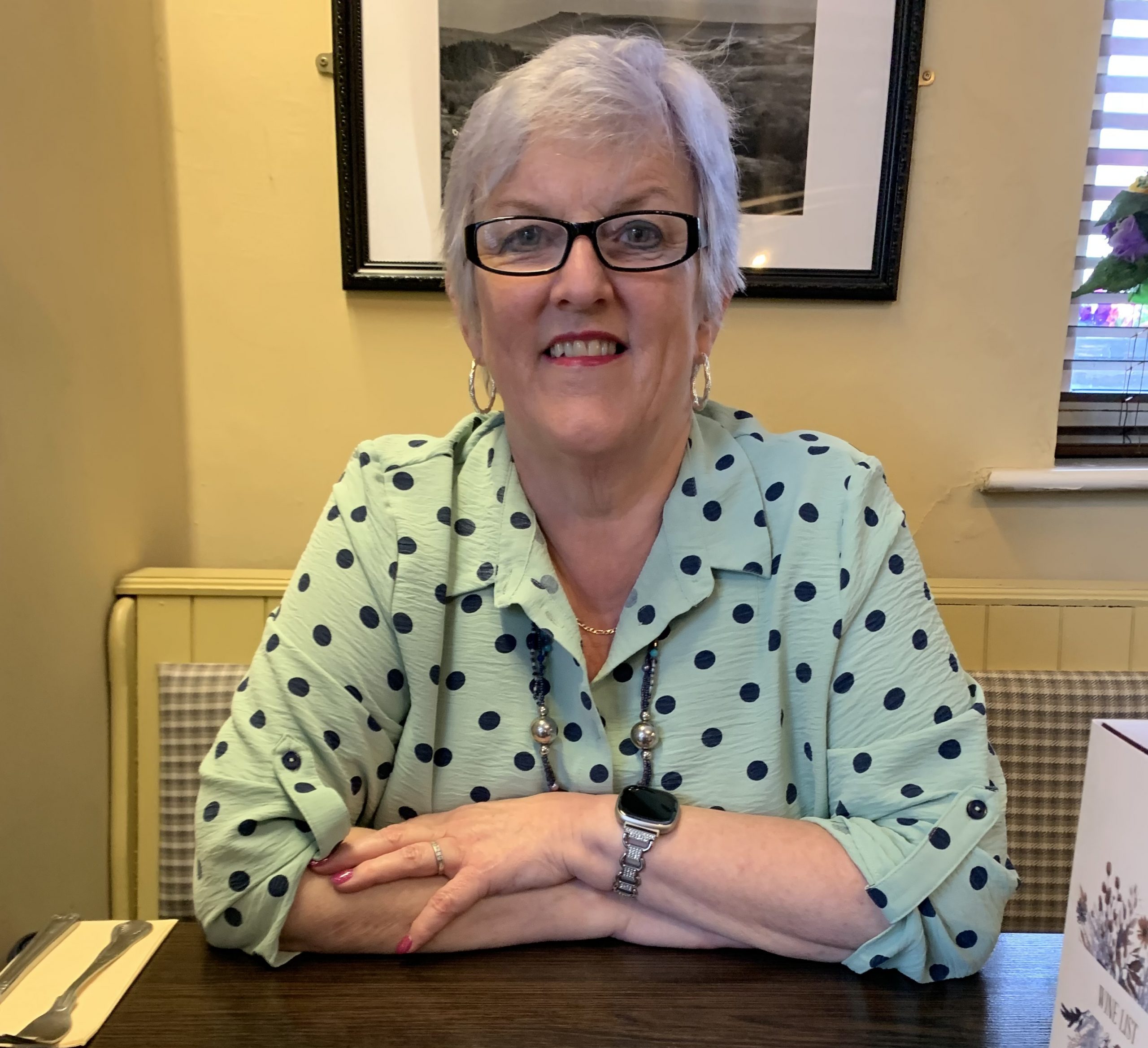
RISE Public Contributor Sian Harding writes about her role, what the study is all about, and why it really matters.
RISE stands for Reducing Inequalities in School Food Environments. My involvement came about through earlier healthier advertising research I had taken part in with Cardiff University. Through that experience, I saw how important public voices are in shaping research that affects real people.
I’ve always taken an interest in food – what we eat, how it affects us, and the role it plays in everyday life. So when the opportunity came up to be involved in the RISE study, it felt like a natural fit for me.
What is the RISE study about?

In simple terms, the study is looking at how universal free school meals are working in Wales. Now that every child is entitled to a free school meal, the researchers want to understand whether this has increased uptake and what difference it makes in practice.
It’s not just about what schools offer – it’s about what children actually choose to eat. That’s a really important difference, because menus don’t always tell the full story.
The overall goal of the study is to support the implementation of effective school food policies and improve the nutritional intake of children.

My role as a public contributor
I was invited to join as a public contributor, which means bringing a real-world perspective into the study. We visit schools and help explore questions like:
- Are more children taking up free school meals?
- Has the universal offer made a difference?
- What are children actually eating at lunchtime?
Being involved gives me the chance to help researchers ask the right questions and think about the practical side of things from a public viewpoint.

Why this matters
Food in schools isn’t just about nutrition – it’s about equality, access, and giving every child the same opportunity to have a good meal during the day. For some children, a school meal can make a big difference to their wellbeing and ability to focus in class.
Understanding how universal free school meals work in reality helps improve the system for the future. If we know what’s working well and what isn’t, changes can be made that truly benefit children.

Final thoughts
I feel fortunate to be involved in research like this. It shows that everyday people can play a role in shaping important studies, and that lived experience is valued alongside academic knowledge.
If more people felt able to get involved in research, we’d have studies that better reflect real life and real needs.