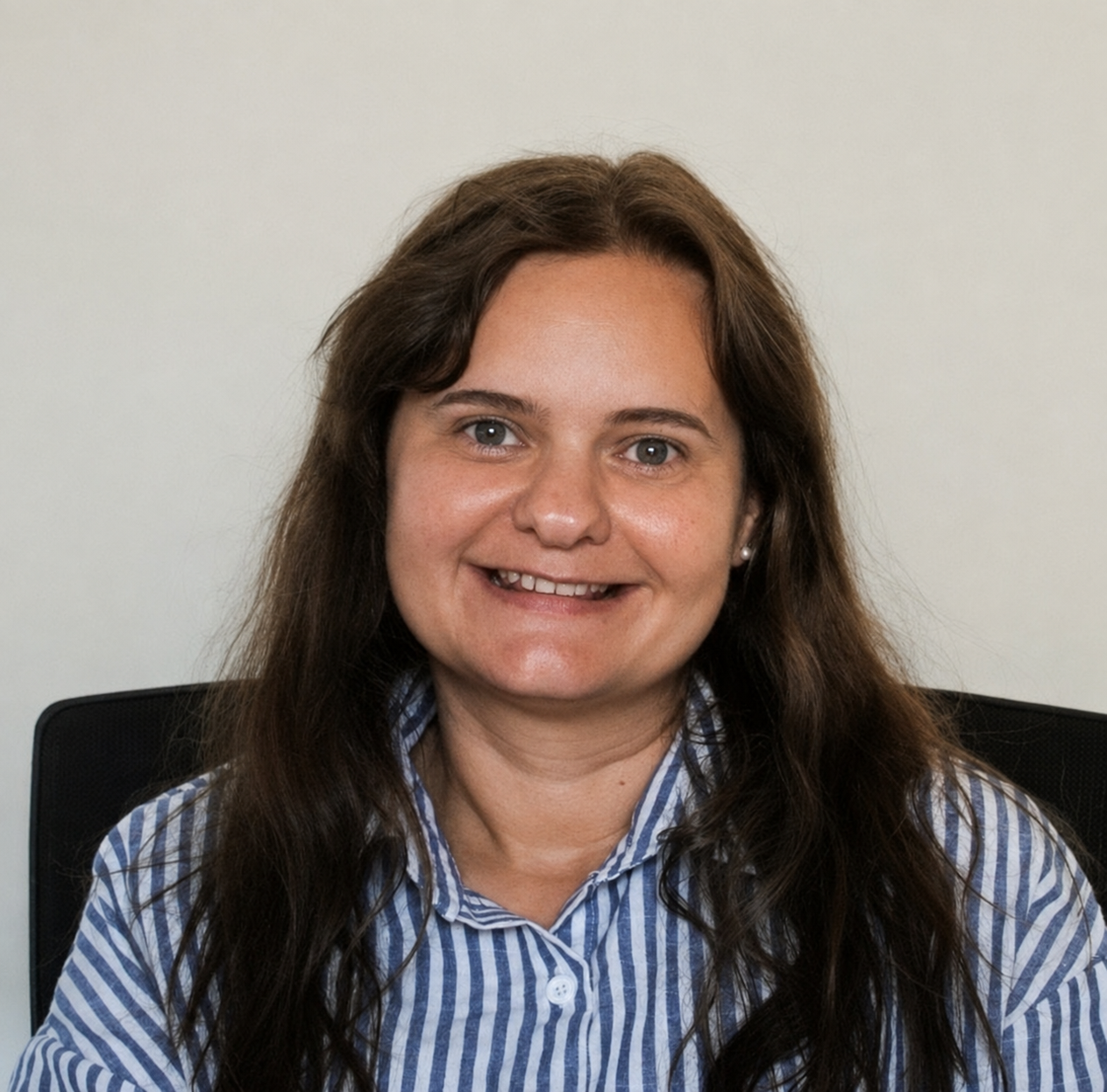
Anna Kolosowska, Public Health Research and Evaluation Assistant at Public Health Wales, gives her insight into RISE, and what she’s learned from the project so far.
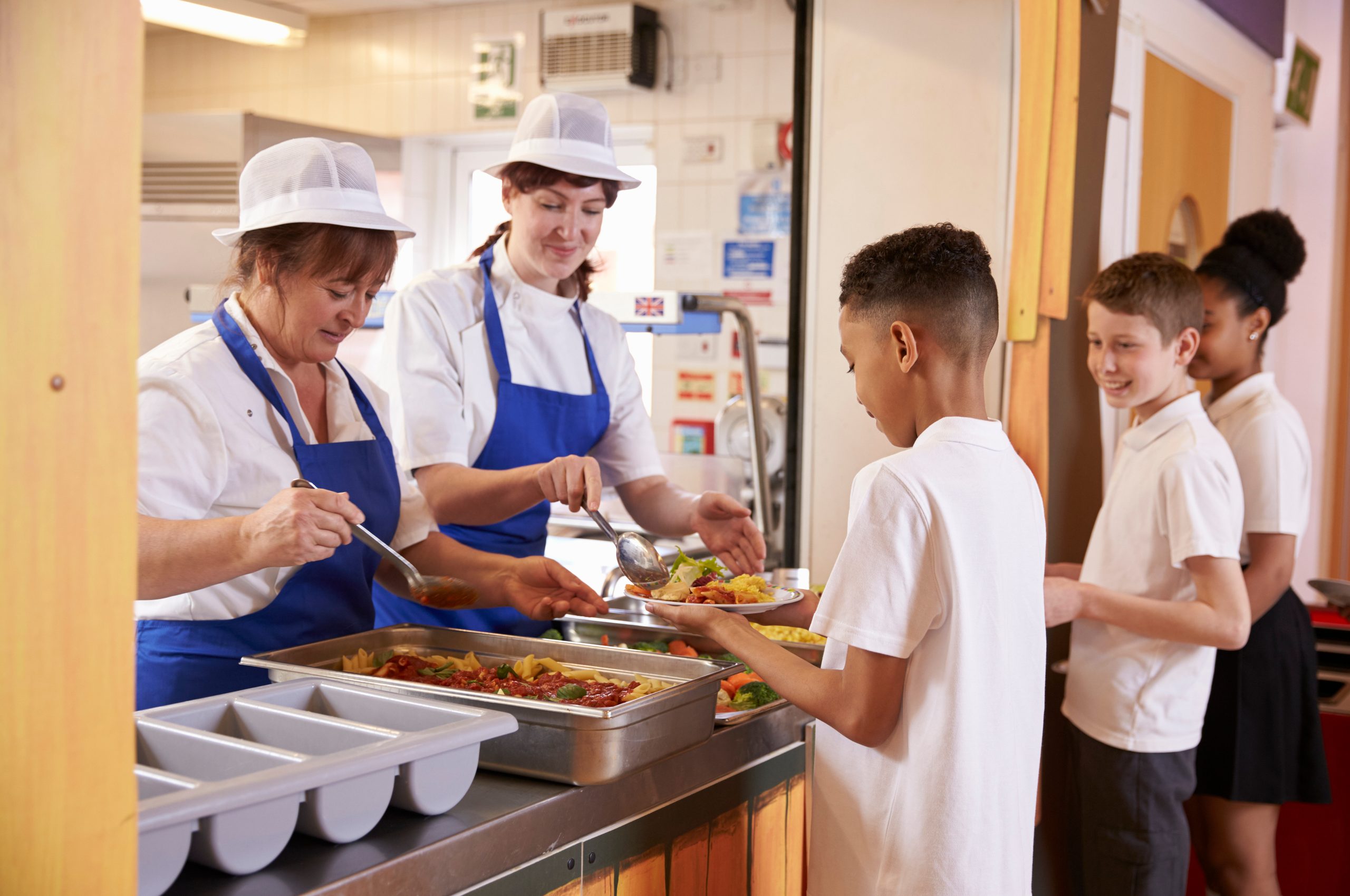
As a Public Health Research and Evaluation Assistant at Public Health Wales, I’ve always been particularly interested in the wider systems that shape our future generations’ health and social outcomes. My role has often involved working across a range of stakeholders and settings across the country. What drew me to the RISE project was that it provided the chance to look at school food not only as a question of nutrition, but as a key determinant of health throughout the life course and part of the broader food system.
School meals can support children’s nutrition and wellbeing, particularly during a period of rising cost-of-living pressures, but their impact depends on more than availability. For me, a key question is whether a universal offer translates into real and equitable benefit for children and families, especially where many face low income or other challenges.

Seeing the wider school food system
My involvement in RISE began with Work Package 1 (WP1), supporting recruitment and delivery of the participatory mapping workshops across the four UK nations, and carrying out Welsh interviews. This stage gave me my first real sense of the scale and complexity of the school food system. Across WP1, I explored key themes with people in a wide range of roles, including policy makers, catering managers, procurement specialists, food suppliers and third sector organisations, among many others. This breadth helped me understand how many people, organisations and decisions sit behind the meal a child is offered at lunchtime.
What stood out was that school food was rarely discussed as simply a catering service. Professionals described it as having multiple aims: reducing hunger, improving health and wellbeing, supporting learning and attainment, reducing inequalities through free school meals, and contributing to wider benefits such as sustainability. These conversations highlighted school food as a public health, education, equality and food systems priority all at once.
WP1 also captured just how differently free school meals are delivered across the four nations, which gave me a much greater appreciation of how fortunate Wales is to have universal free school meals for all children in primary settings. This marks a significant step that hasn’t yet been matched by any other UK nation.

Why early food experiences matter
This work also connects with my own personal and professional experience. Having raised two children through primary school, I particularly appreciate the role early school settings can play in shaping children’s exposure to food. School lunchtimes are not only about eating. They can be spaces where children encounter new foods, learn routines, sit with peers and experience social dining, often for the first time in a large group setting.
My previous therapeutic work as an Assistant Psychologist within the NHS also shapes how I think about food. Early experiences with food can influence later relationships with eating, comfort, coping and wellbeing. This is one reason why children’s experiences of school food matter so much: it is not enough for meals to be available, they also need to be acceptable, accessible and appealing, offering a genuine opportunity for positive first experiences of social dining and food exposure. This is especially important in areas facing higher deprivation.
Moving into schools
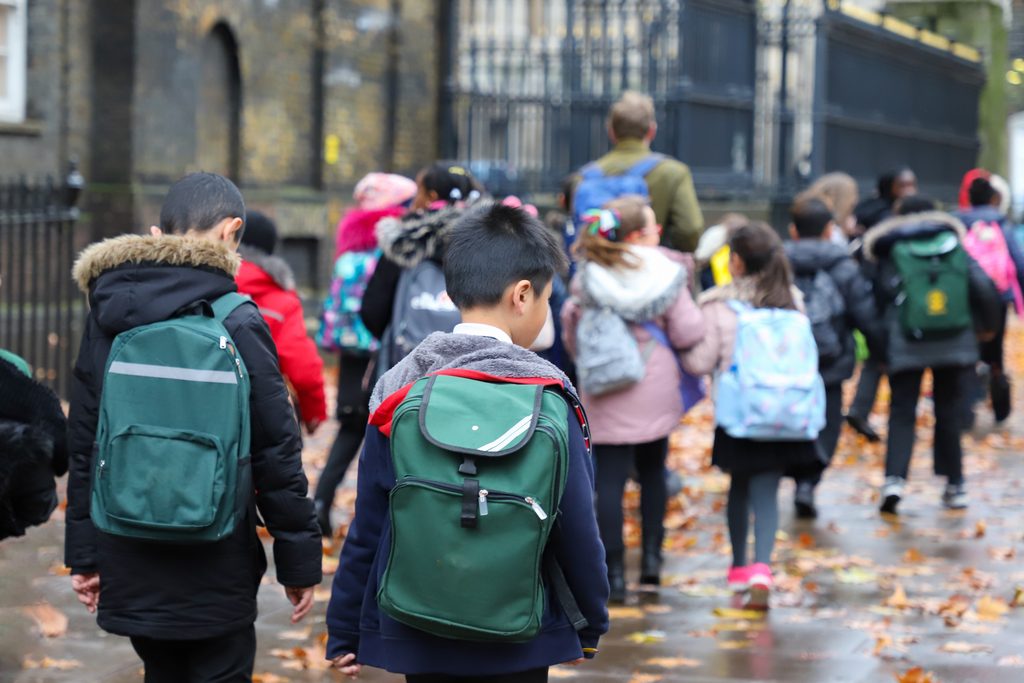
WP2 brought another part of the system into view. Alongside other members of the team, I interviewed school staff in two schools, including teachers, teaching assistants, wellbeing leads, cooks and kitchen support staff. These conversations helped me understand how national policy is translated into everyday school practice, and how much thought, hard work and care goes into making lunchtime happen within an already busy school day.
I also collected data as part of the team in seven of the eight study schools, taking photographs of children’s plates and packed lunches before and after lunch, and speaking with parents and children. We were met with real enthusiasm from many of the children, who were curious about the research and excited to show us their meals and take part.
After listening to professionals and school staff, this felt like the next important piece of the puzzle: looking closely at children’s actual lunchtime experiences in terms of what they were offered, what they chose, what they ate and what was left behind. I am now supporting the analysis of this data, looking at the nutritional content of what was actually consumed during lunchtime. This is an important step in understanding whether a universal policy is translating into real dietary benefits for children.

Final thoughts
Working on RISE has helped me see the school food system as layered and interconnected, involving policy leaders, local authorities, suppliers, caterers, schools, families and children themselves, with everyone shaping what a child experiences at lunchtime.
For me, one of the most valuable parts of the study has been moving between these perspectives. Conversations with policy leaders and professionals helped me understand the ambitions and pressures behind school food provision. Interviews with school staff showed how those ambitions are implemented, and observations and conversations with children and parents brought the focus back to children’s everyday experiences.
I am looking forward to being involved in WP4, where we will support action development across the four nations and within the eight study schools, based on what we have learned so far. My experience as part of RISE has reinforced the importance of listening across the whole system if we want school food policies to be meaningful, realistic and supportive of children’s health and wellbeing.