How has the Whole School Approach been received in special schools and pupil referral units? Amy Edwards and the qualitative team used creative participatory methods to find out
Over the past nine months, our qualitative team (myself, Dr Rachel Brown; Jess Lennon and Jordan Van Godwin) has been working with special schools and pupil referral units to investigate their experiences of the introduction and implementation of the Whole School Approach. This forms part of the Wolfson Centre for Young People’s Mental Health evaluation, which can be read about here: https://decipher.uk.net/blog/assessing-the-whole-school-approach-to-mental-health-and-wellbeing/.
Mirroring the study’s previous qualitative work with mainstream schools across Wales, we selected four settings to provide case studies – two special schools and two pupil referral units. As part of the study, we were able to access a small group of learners in a special school to talk with them about safe places and spaces in their schools. These settings represent an under-researched area in Wales, in terms of working with learners and staff, and we wanted to find out more about why this was the case, and what we could do to change this.
Planning the activity
We decided to adapt the mapping activity ‘Safe Places and People in my School’ (https://decipher.uk.net/news/safe-as-schools-where-and-with-whom-do-pupils-feel-most-secure/), which we previously used with primary and secondary learners in Wales. Mapping activities are a qualitative, participatory research method where participants represent their experiences visually, helping to identify important places, relationships and feelings that may be difficult to capture through discussion alone. We scaffolded the activity with clearer instructions, signposts and resources, producing a more structured but still creative exercise.
We recruited a creative partner, Hollie Withers from Pawb Arts. Hollie has previously worked with Cardiff University and is skilled at helping researchers produce creative outputs to explain complex systems. She also has a lot of experience running art groups with children and young people.
Prior to visiting the first Special School, I took a preliminary visit to go over the activity with the Deputy Head.
How did it go?
On the day, we set up the tables so the small group of learners were together. This was to facilitate and be close to the discussion. A wide variety of art materials were put onto the table to make it look fun and inviting. We had streamlined the process to avoid long introductions, so we briefly introduced ourselves, invited the pupils to sit down and completed the assent forms. Gaining the learners’ assent to the activity took longer than anticipated, and we realised this process needs more consideration as to how it could be done more inclusively. For instance, not all the learners could use a pen to write on a form or recall their years of birth.
Each learner was accompanied by a support worker, reflecting usual practice in the school. One learner communicated via a tablet that had pictures and voice-activated software to enable him to both listen to and communicate with others in the room. Another learner remained disengaged throughout but was able to use the art resources to produce an illustration of an Anime character. Others had discussions with their support workers and the research team about the places that they liked and didn’t like in the school grounds. The research team observed discussions, spoke with both staff and learners and asked questions about their choices for safe spaces and people.
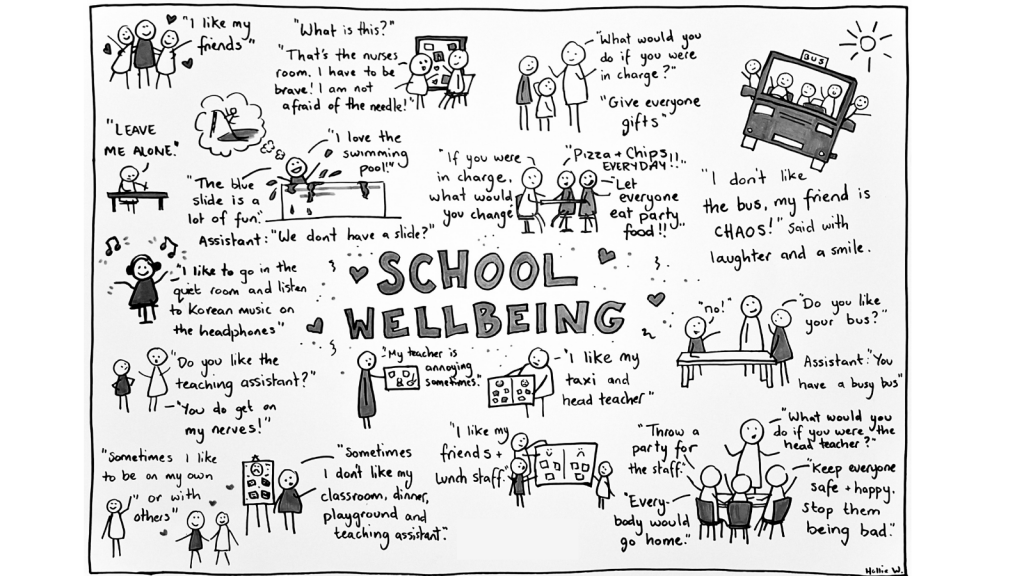
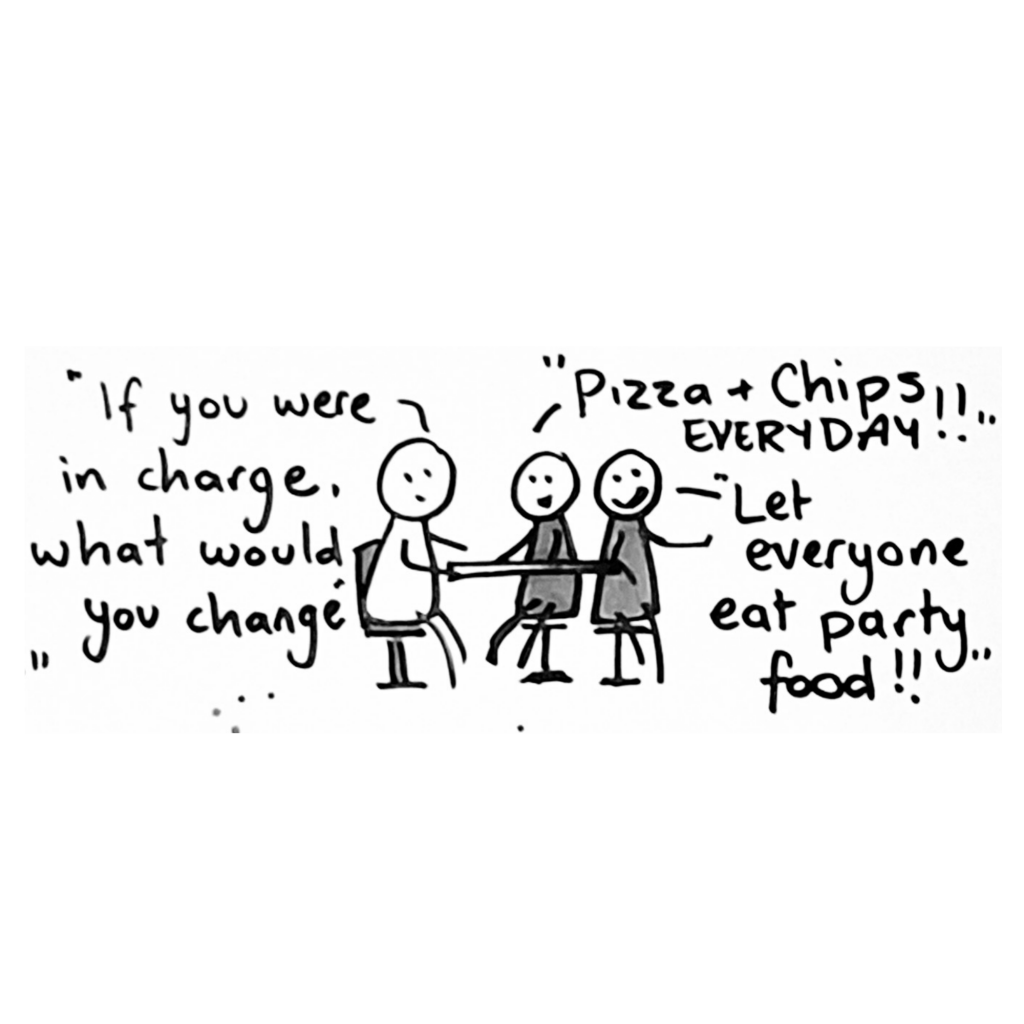
After 20 minutes of this activity it was agreed to have one final round of questions where the learners were asked to use a picture of a person on lolly stick to represent them and consider ‘what would you do if you were Headteacher for a day?’ The learners responded well to this – ideas included ‘close the school’ and ‘pizza for everyone’! For the majority of them, it was easier to speak for themselves as a stick character and they gave some very creative ideas. Perhaps the sticks allowed them to say things they wouldn’t say as themselves.
The role of the support workers in this activity ensured that the learners were encouraged reflect a little more on why they had chosen these people or places for their maps, and the discussions captured by the research team highlighted that although the maps were the learners’ own work and showed their thoughts and feelings in that moment, the reasons behind these were complex and did not necessarily reflect how they felt overall. The support workers are with the learners throughout the day and could provide another level of understanding around the school experience and the learners’ likes and dislikes.
Reflecting on the maps
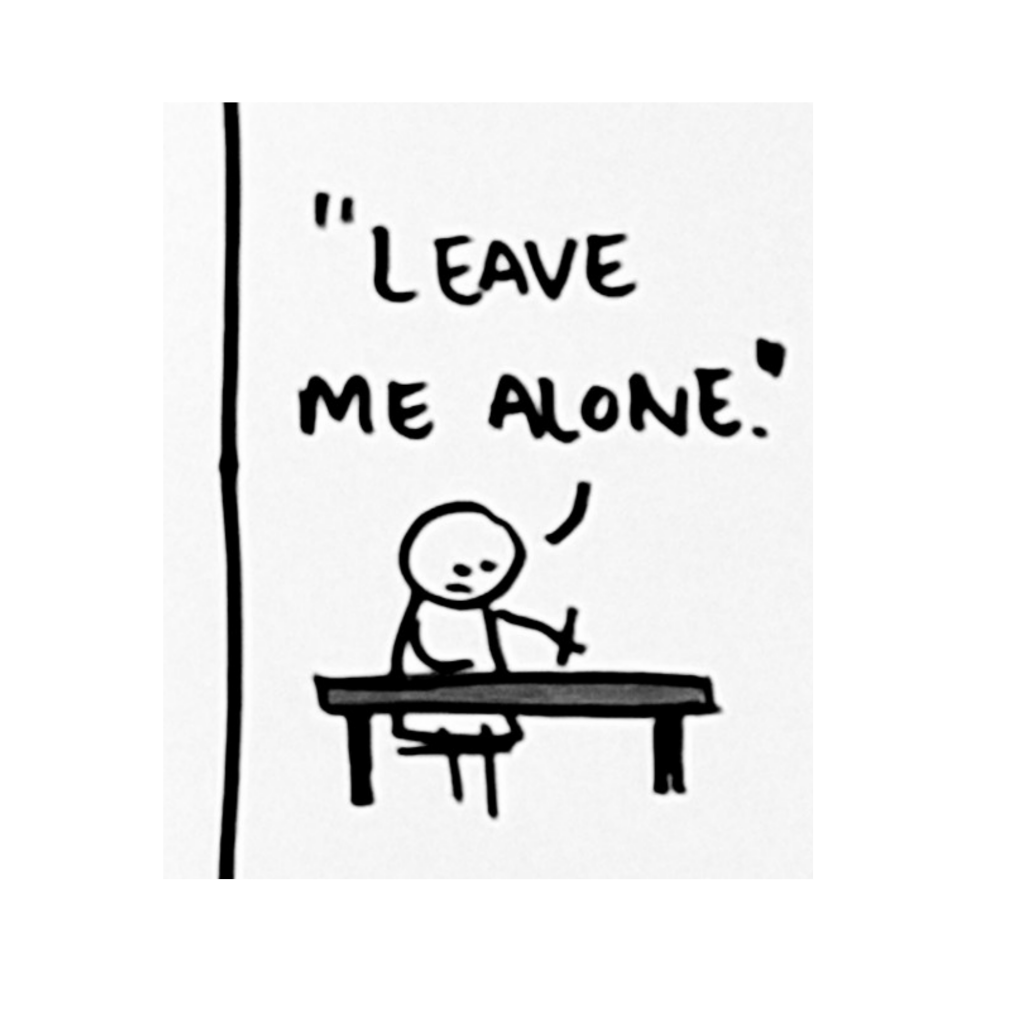
The learner maps provided a lot of insights into learners’ likes and dislikes.
- In terms of what the maps of their schools showed, there was a diverse range of people and places highlighted for attention, some of it negatively swayed.
- School encompassed a range of experiences starting from getting on the bus, having food at school and accessing outside spaces and a range of activities.
- None of them noted particular subjects or areas of the curriculum such as ‘art’ or ‘music’ as being happy or safe, but the classrooms came up consistently as being safe, pinpointing the need for safe spaces in which to learn.
- A lot of them mentioned the canteen and the food. Some loved the food (especially the pizza) whereas others noted that they didn’t like it when their lunch order was wrong.
- The garden also received positive and negative comments, with one learner writing that ‘the garden is boring’ where another put smiley faces and hearts around the garden.
- One learner divided their pictures into ‘things I like’ which included the staff and their friends and ‘depends how I feel’, which included the classroom, playground and the canteen.
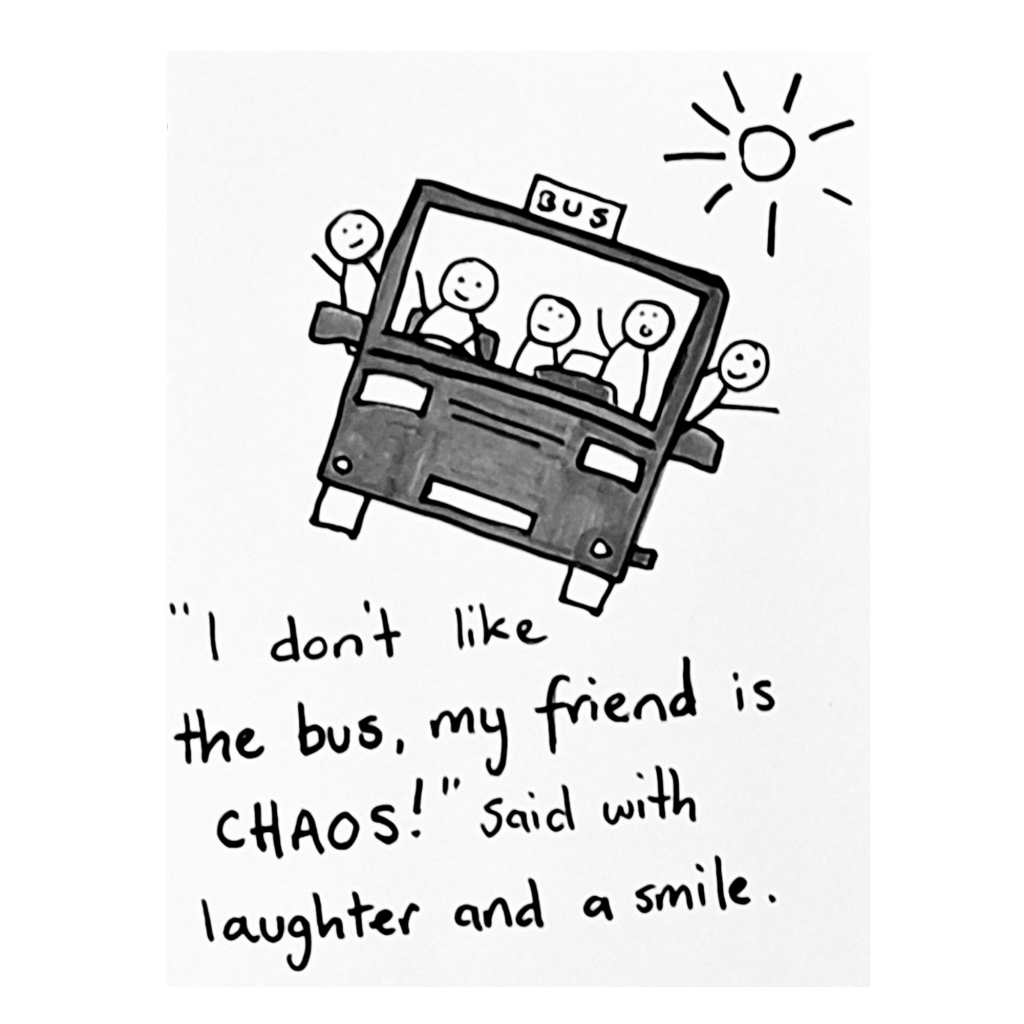
- Transport also attracted several comments; while not much was recorded on the actual maps, there was a lot of discussion in the room about it as the learners were working. Some enjoyed the taxi and bus rides to and from home, whereas others found them loud and overwhelming.
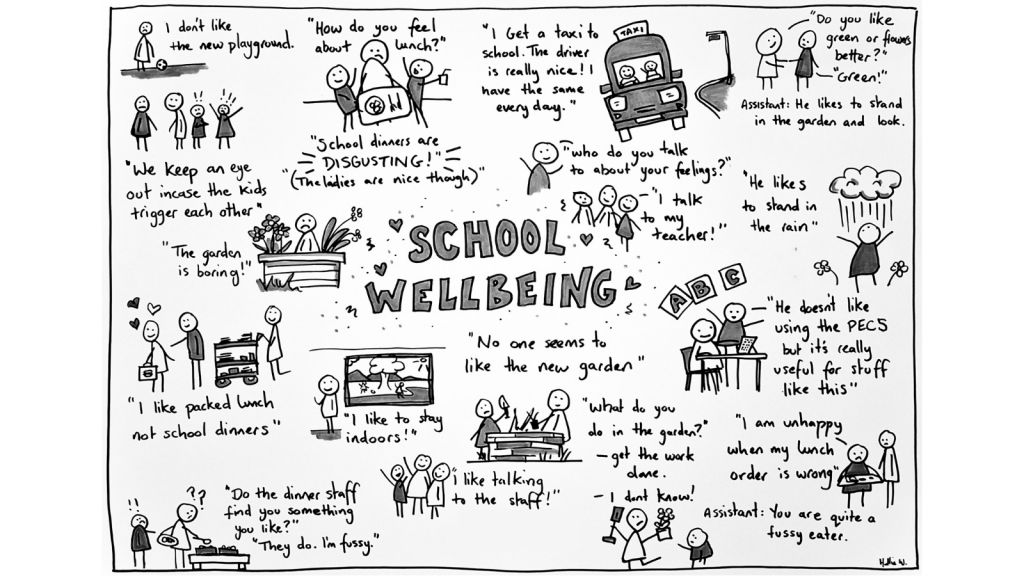
Hollie took all of the illustrations done by the learners and, aided by her own notes and observations, produced a graphic that showed how the process happened in the room as well as recording the ideas that the learners gave. By having this dual aspect to both the process and the resulting ideas, the graphic represented the learners in a realistic and non-judgemental way and captured the creativity and depth of their ideas around wellbeing.
Key takeaways
We learned a lot from this activity and our reflections could be useful for other researchers looking to work with learners in these under researched settings.
- The length of the activity was well pitched, with 20 minutes being appropriate.
- Going straight in and skipping the lengthy introductions as to what we were doing and why meant the activity was presented as an art-based task rather than a more formal focus group or group interview situation.
- We also agreed that splitting the learners into smaller groups of three or two rather than a larger group of six would be better in future as there was a lot of people crowded around one small table.
This activity was fascinating to facilitate and while more reflection and adjusting is needed to hone this as a creative research method, the initial findings have been positive in terms of unlocking experiences and showing a more holistic experience of being at school.
Over to us….
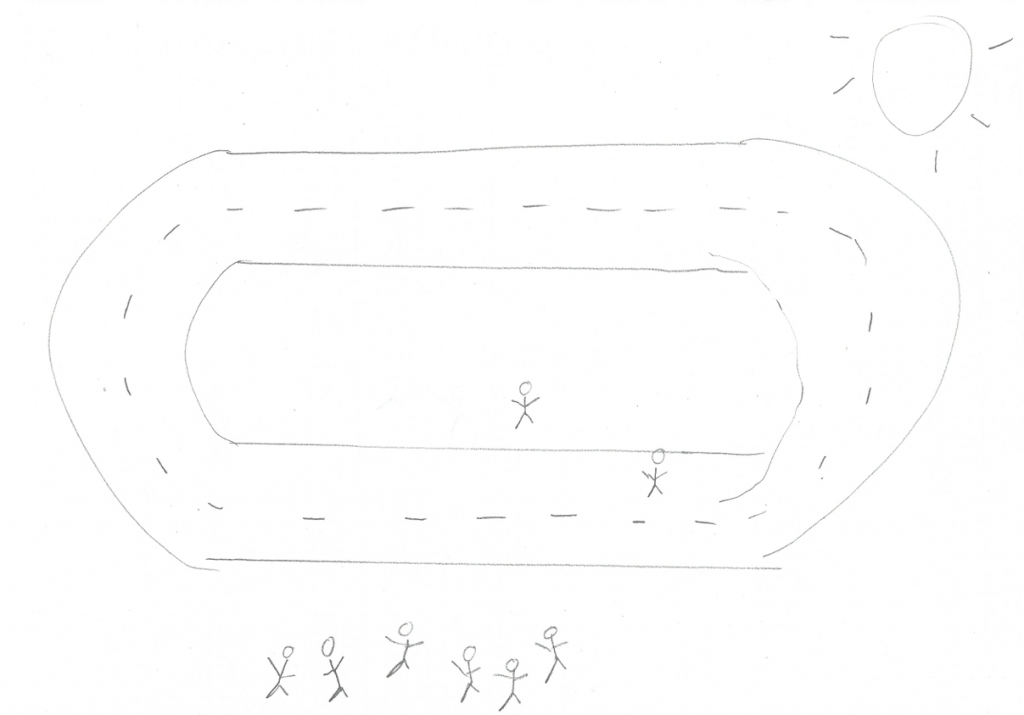
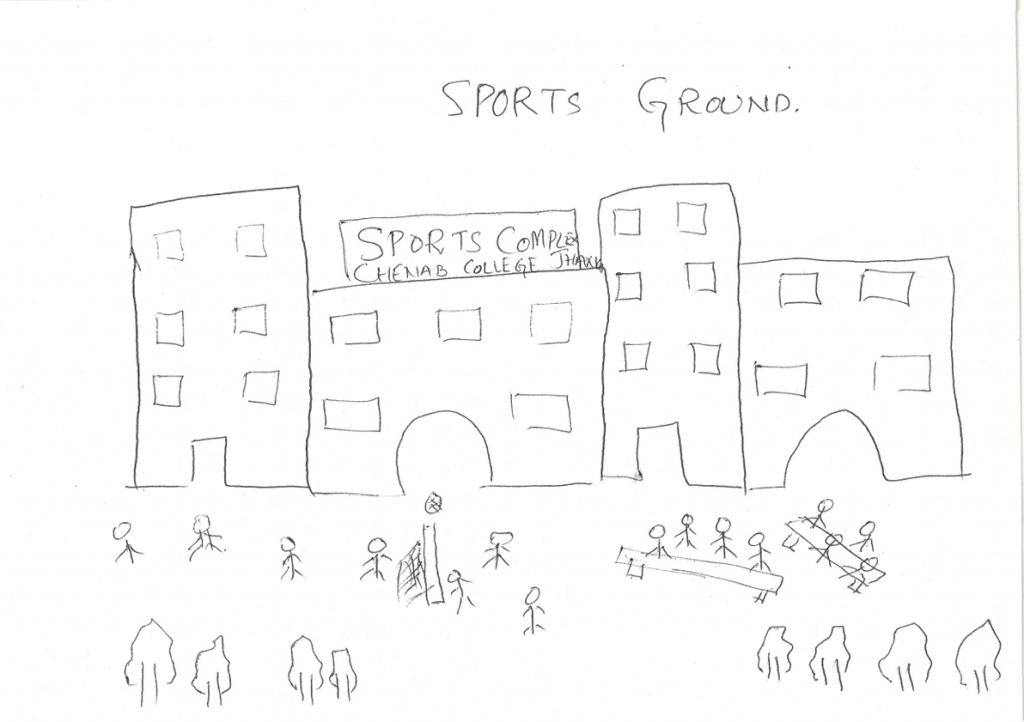
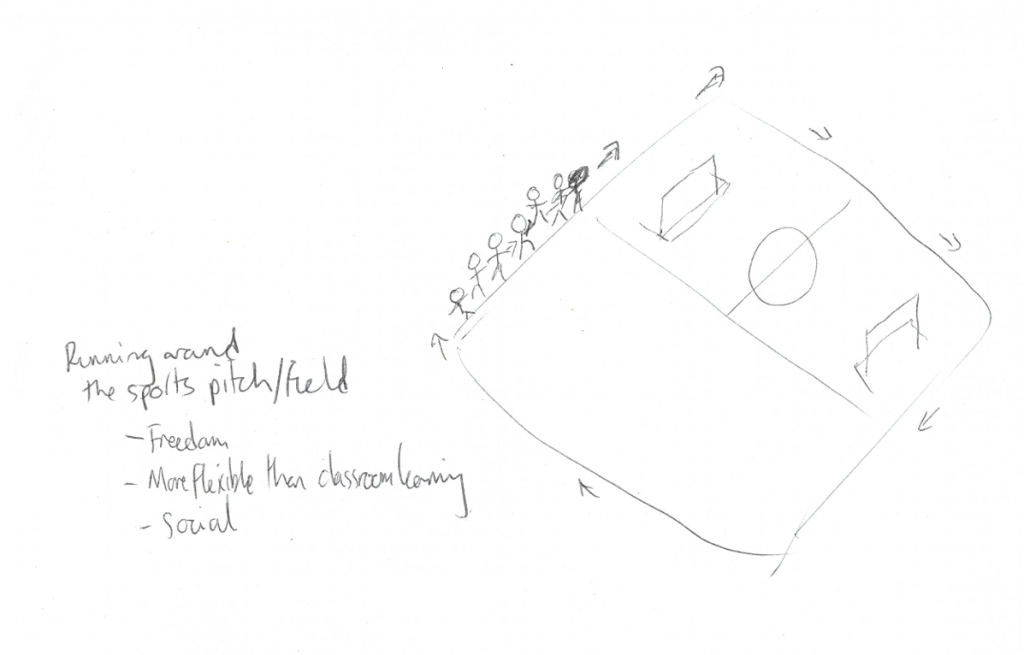
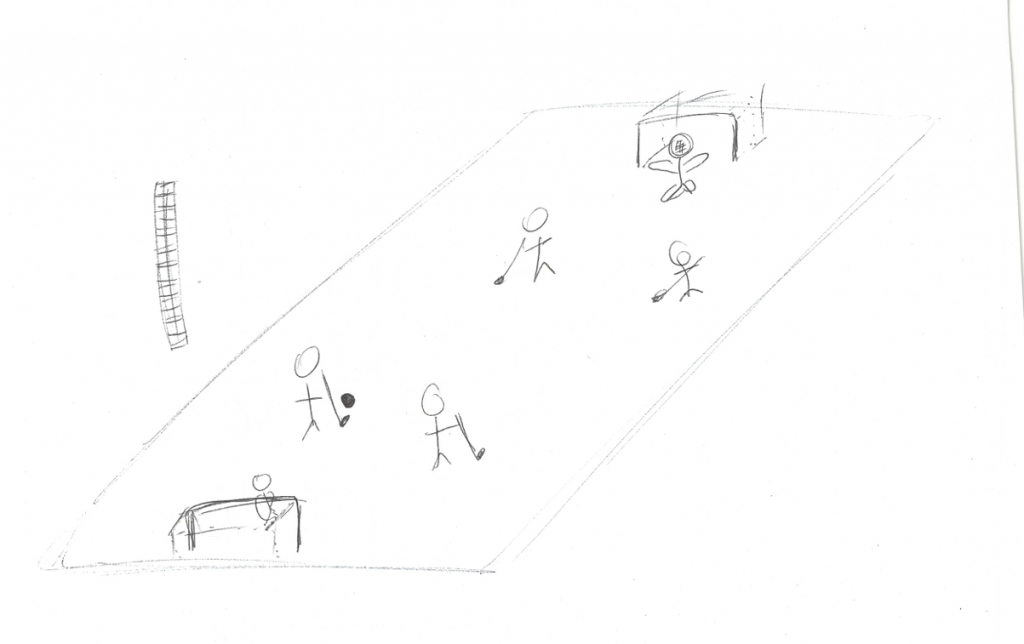
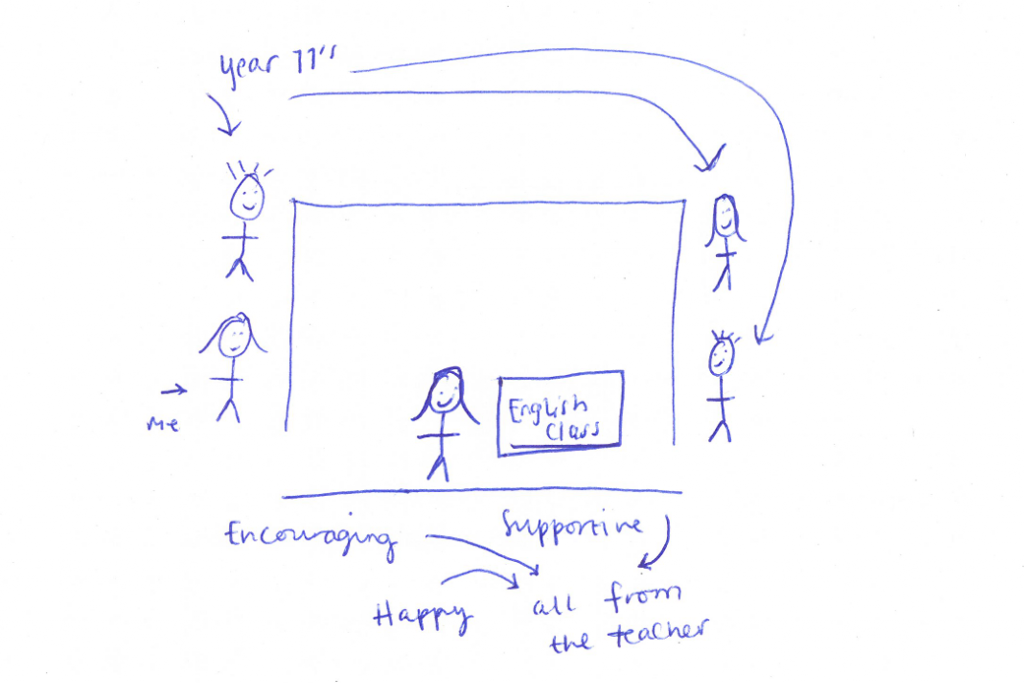
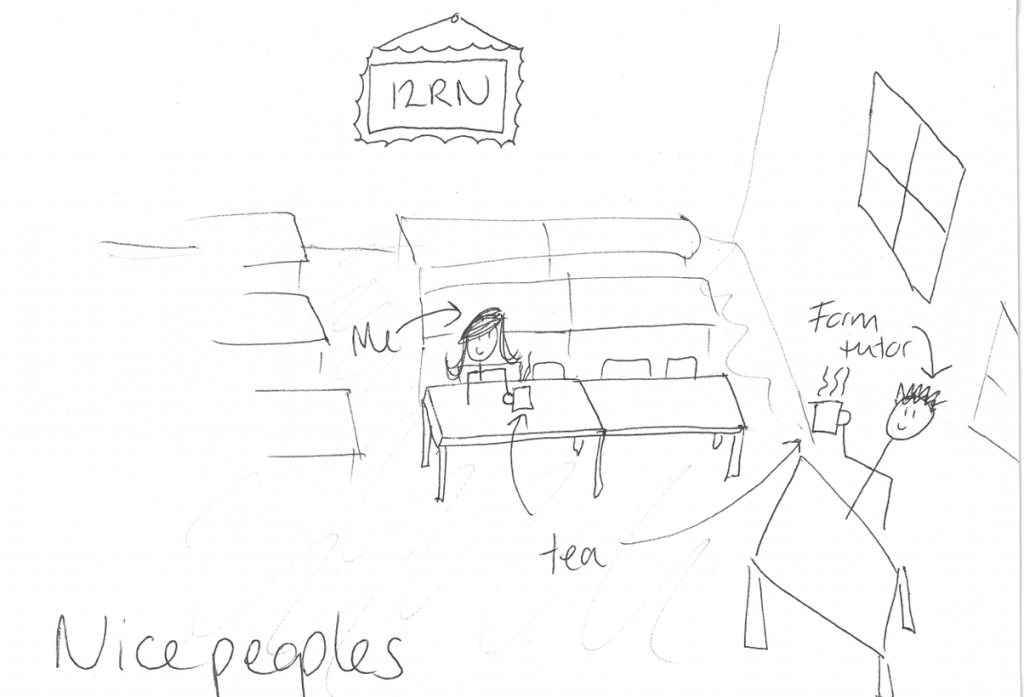
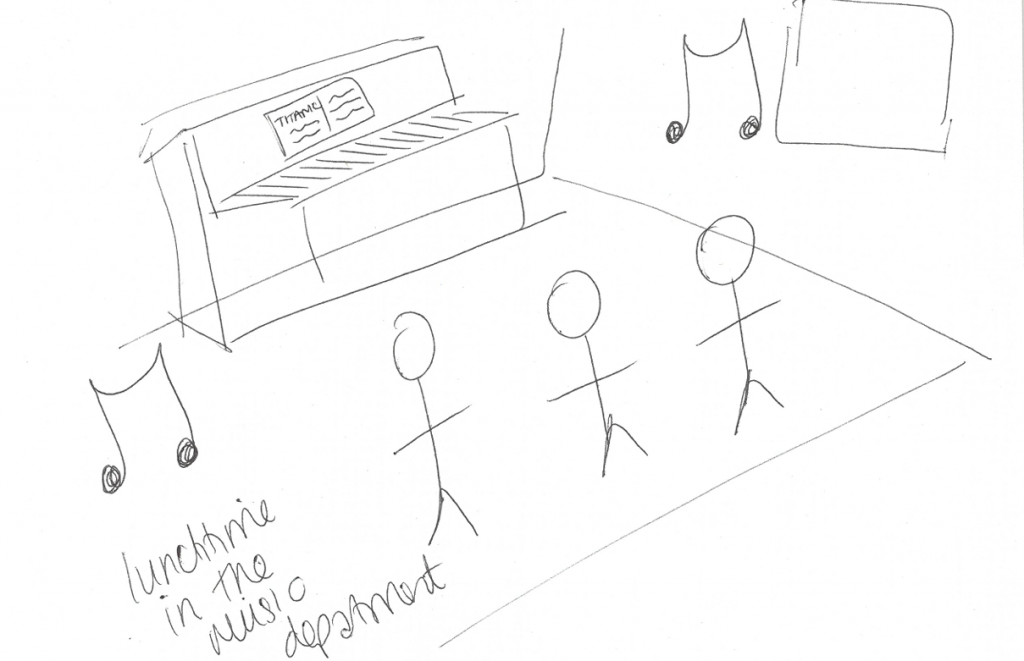
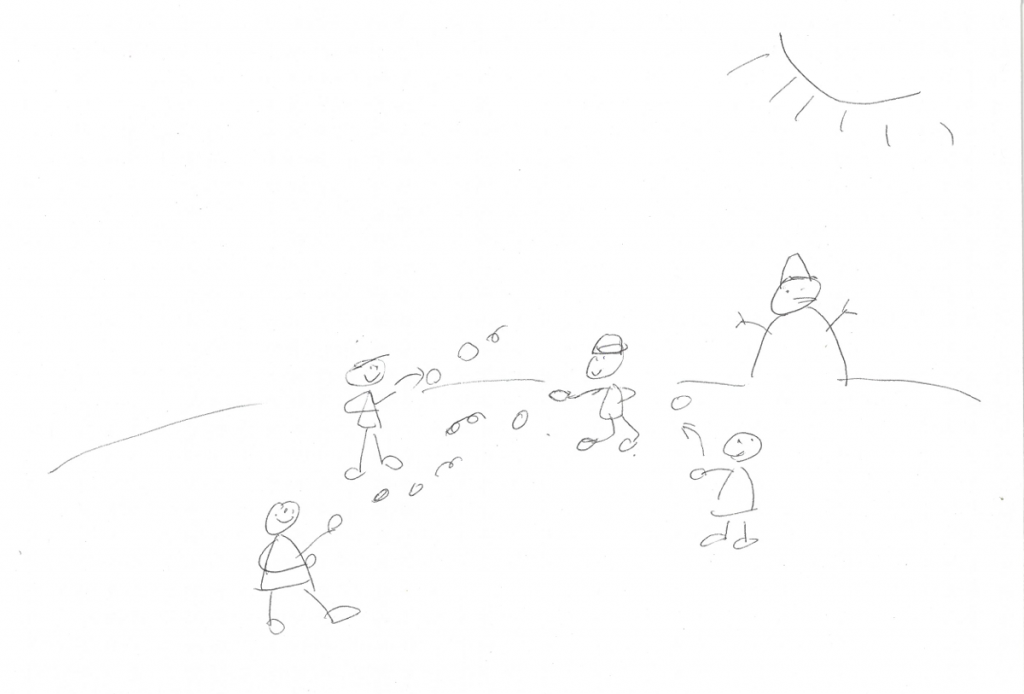
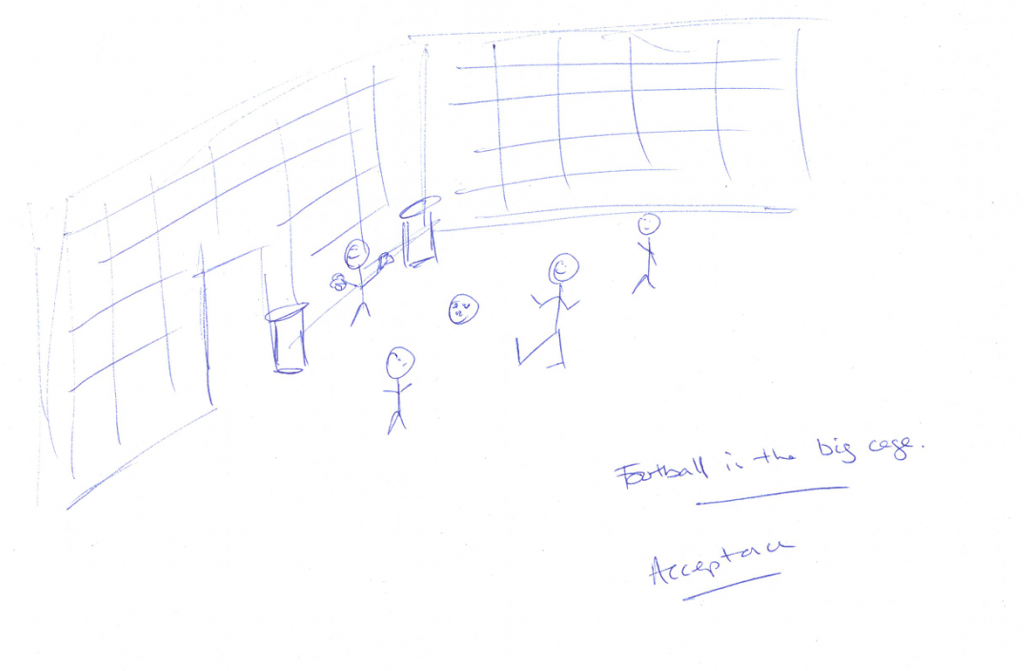
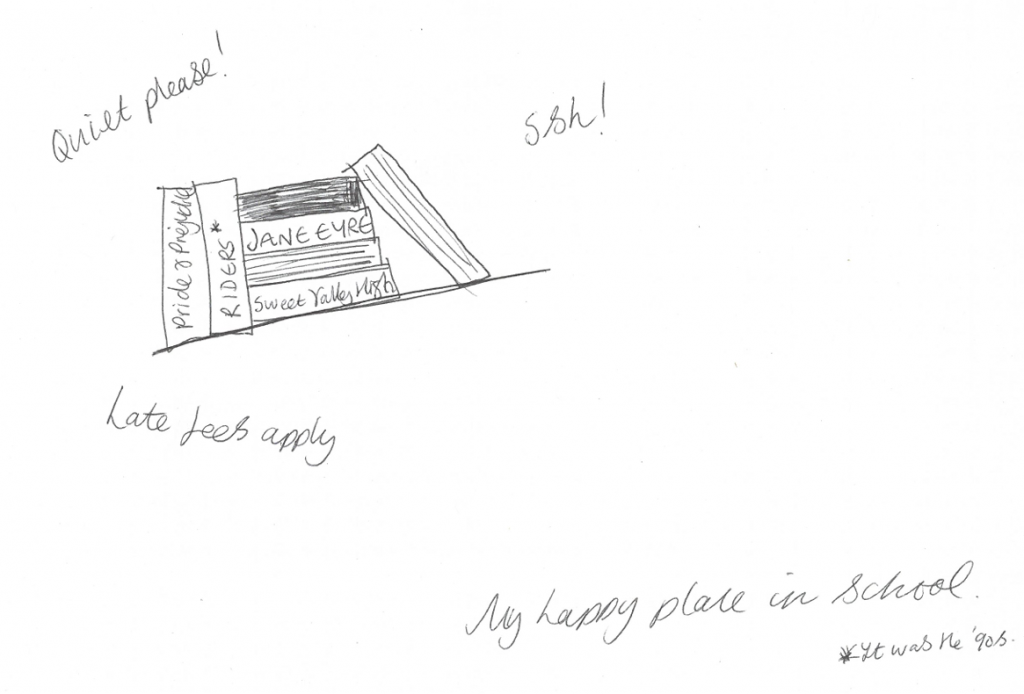
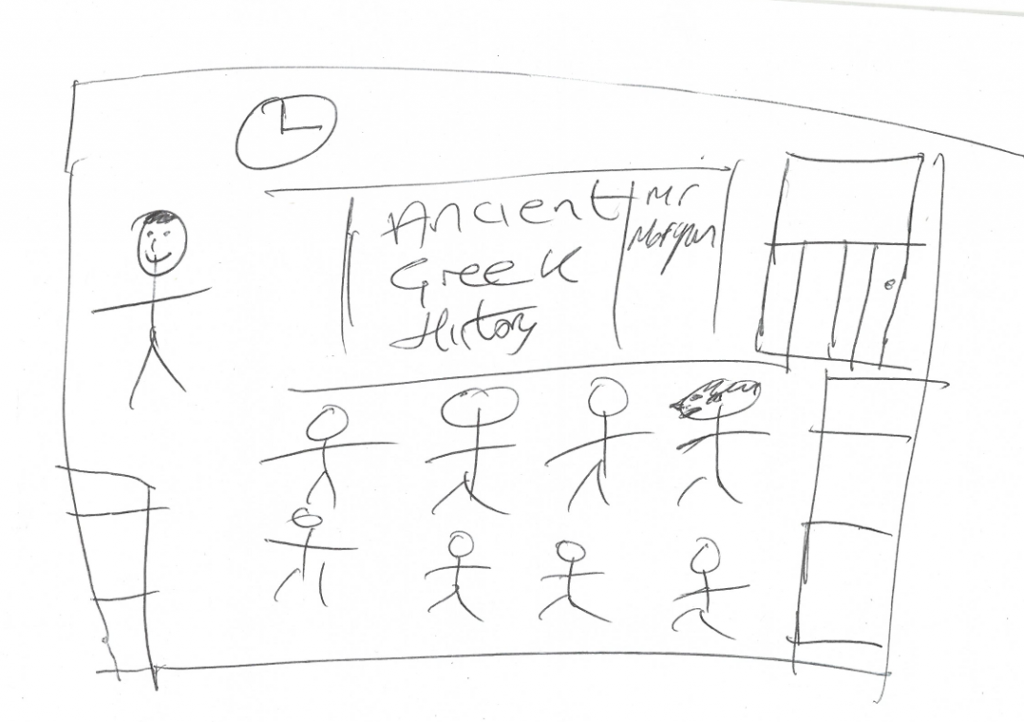
At the DECIPHer away day in May 2026, I asked the room of researchers, public contributors and colleagues to undertake the same task. ‘Think about your secondary school… What were the safe spaces and people in your school, where were you happiest?’ They were given three minutes to complete this using pencils and paper and then an additional minute to share their drawings with people next to them and add on any words or phrases that would explain their drawing.
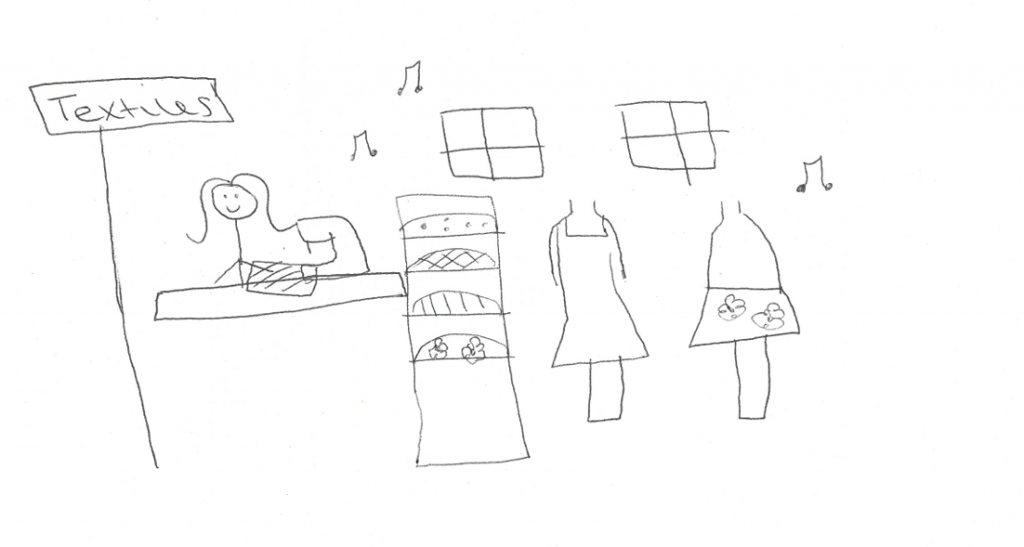
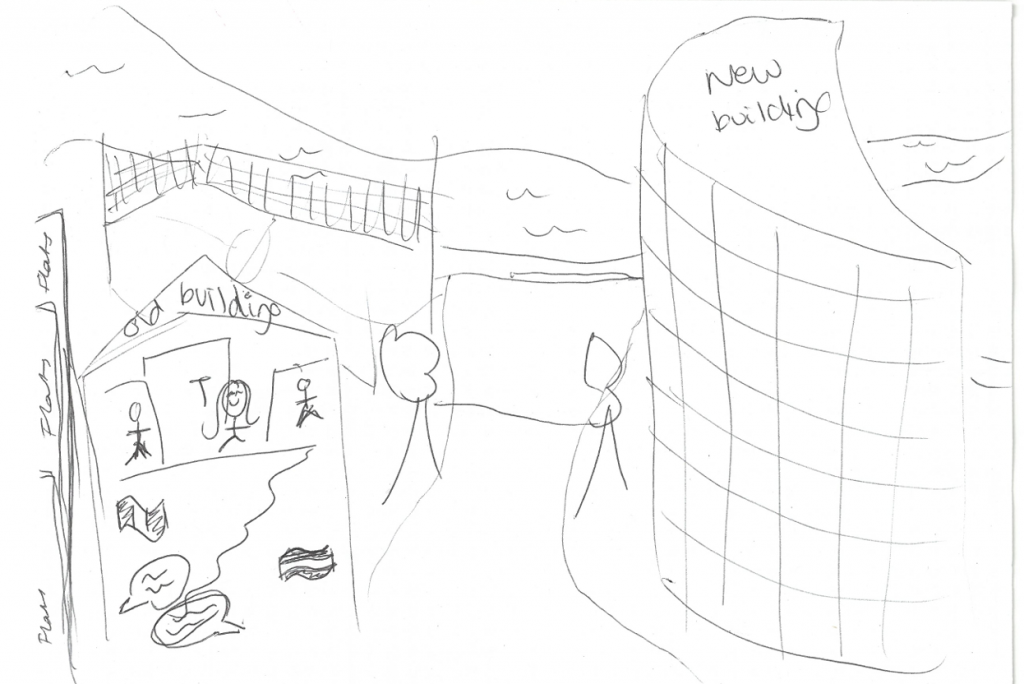
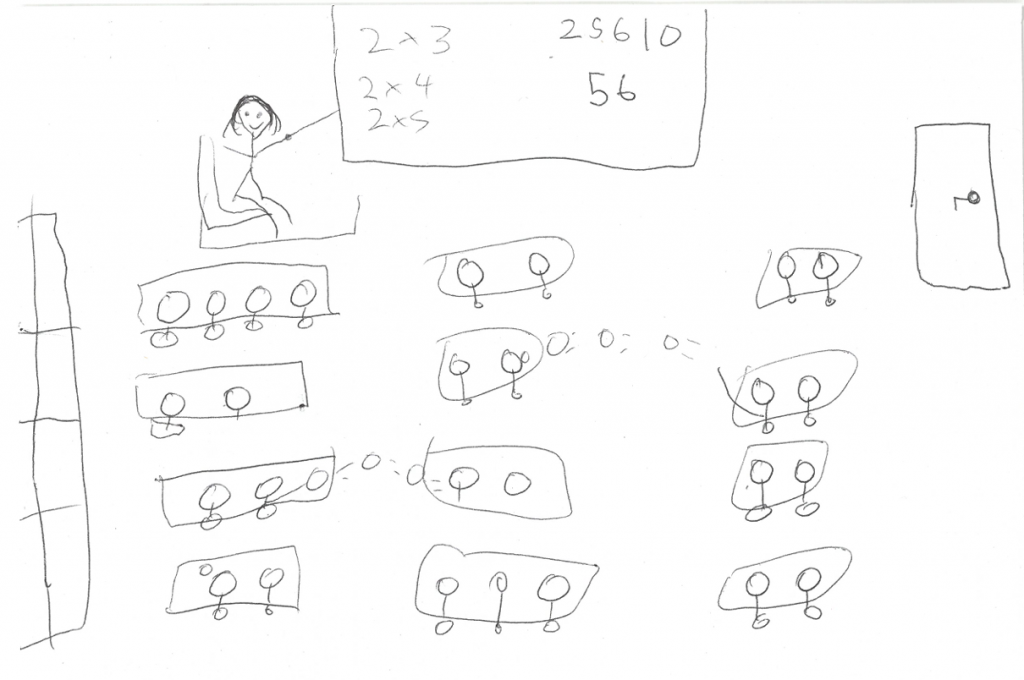
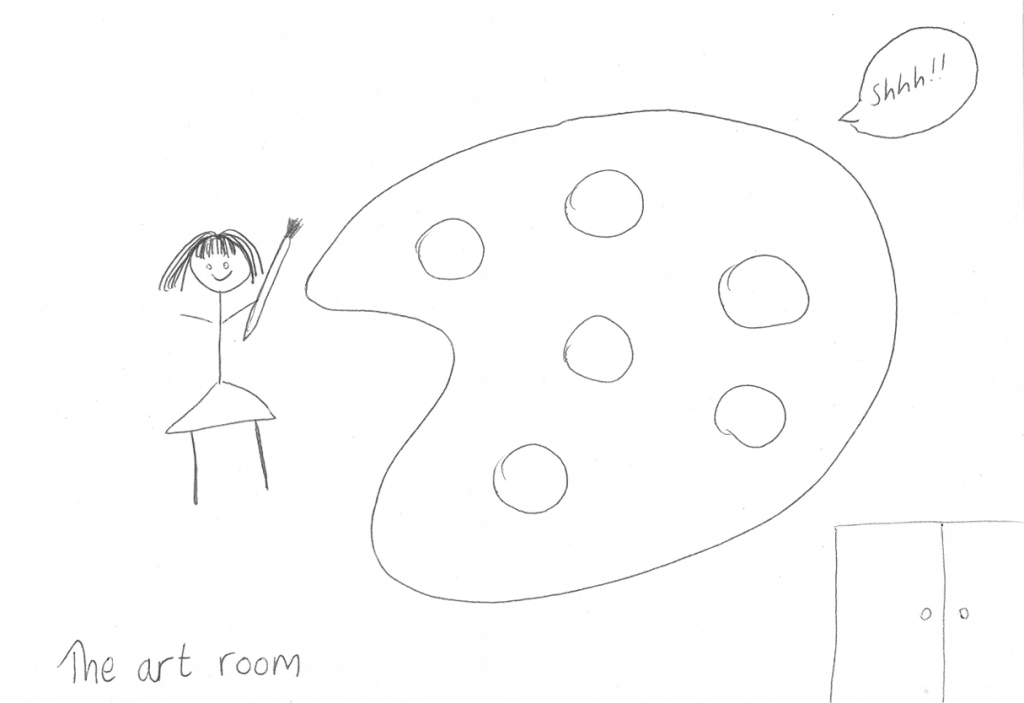
The resulting drawings showed a mix of spaces and experiences.
The activity highlighted that spaces and people perceived as ‘safe’ in schools vary, depending on individual experiences and preferences for learning; whereas some of our staff liked being with large groups in team environments, others preferred the quieter safety of small rooms and trusted individuals. It was also interesting to note that some of our staff centred on lessons or particular teachers, whereas others highlighted more social activities or places away from the classroom as being safest to them.